A Revolution in Stone
When the Jesuit Church was built in the 17th century, it was something the people of Switzerland had rarely seen before.
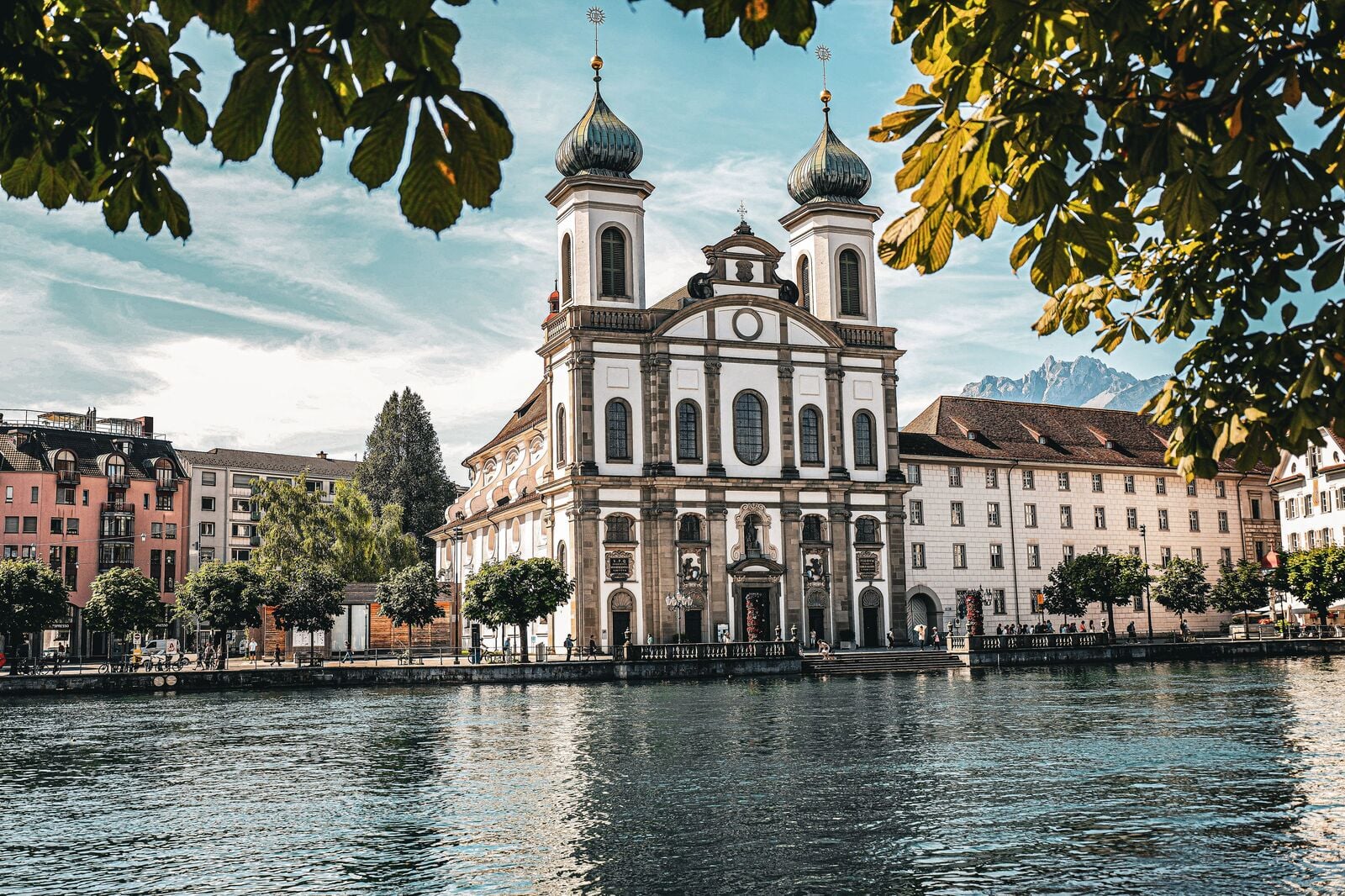
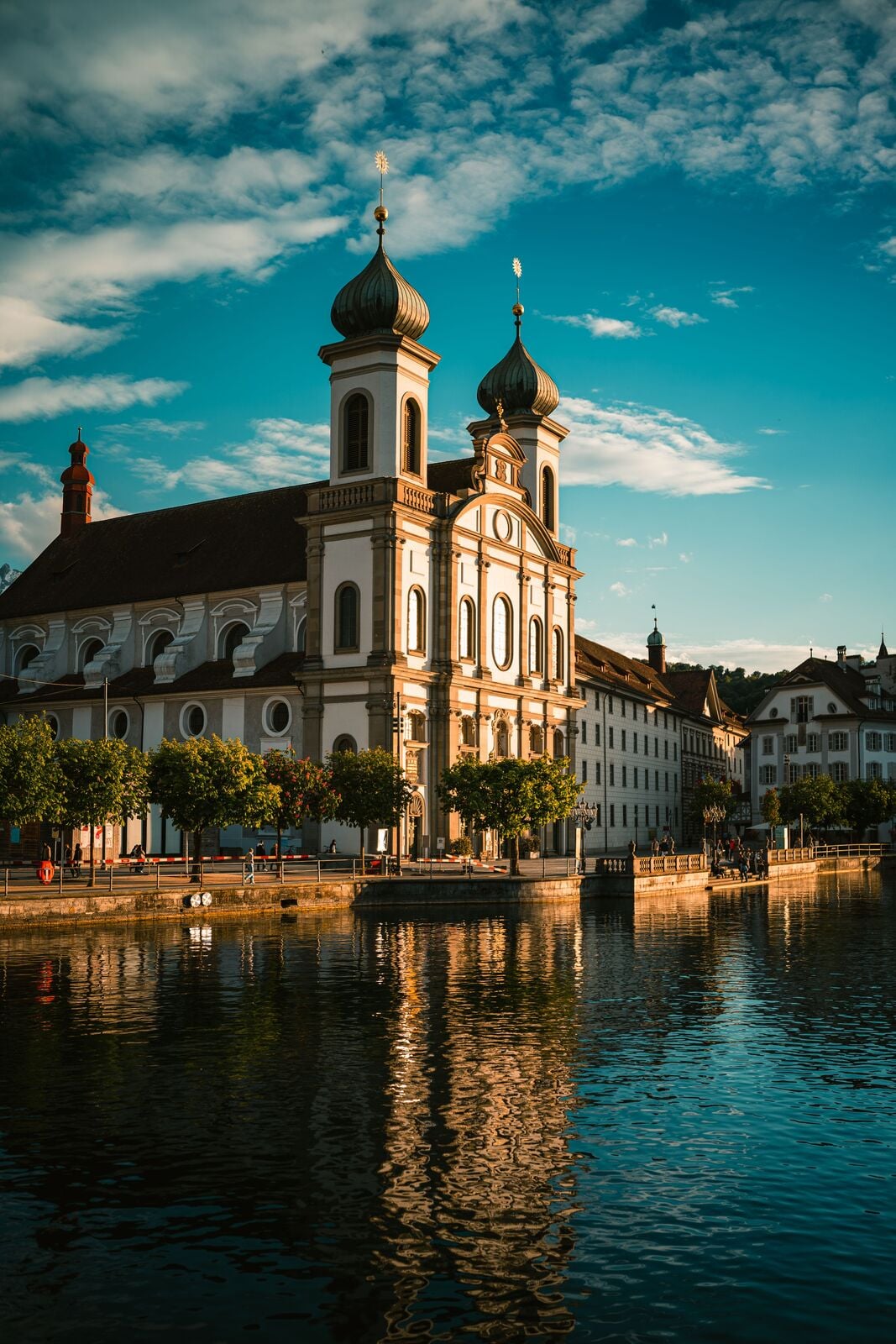
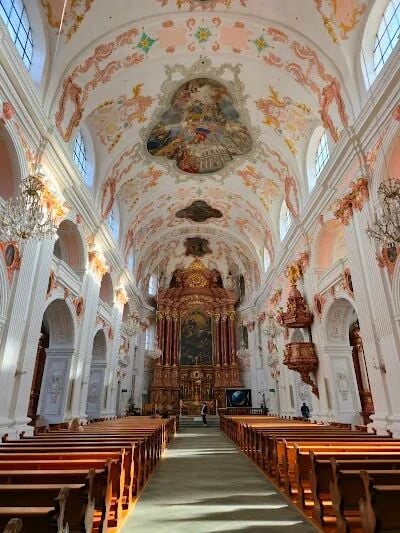
The architectural style was new, bold, and impressive: Baroque. While many churches at the time were still influenced by Gothic design, the Jesuits emphasized light, movement, and emotion. The architecture was meant not only to amaze but also to touch people. Baroque architecture was understood as an experience, employing light, colors, and forms intentionally to inspire wonder. Nothing was left to chance. The magnificent stuccoes, gilded decorations, and elaborate ceiling paintings followed a clear concept: to let the church space hint at heaven on earth. For people in the 17th century, this was far more than just decoration; the church was meant to be a place where one could not only hear but also feel the greatness of God.
This approach stemmed from a turbulent period in Europe. After the Reformation, the Catholic Church wanted to make its faith more visibly prominent again. Art and architecture became essential ambassadors of this idea.
The church was not a parish church but originally the school church of the Jesuit Gymnasium (until 1773). This clearly explains why the Jesuits were able to construct so prominently in Lucerne.
Construction of the Jesuit Church began in 1666. Today, it is considered the first major Baroque church in Switzerland and became a model for numerous later sacred buildings.
When you enter the church, you stand in a place that has fundamentally changed the architectural history of Switzerland.

The Church That Changed Everything
Jesuitenkirche